San Andreas / Автомобили / Автобусы
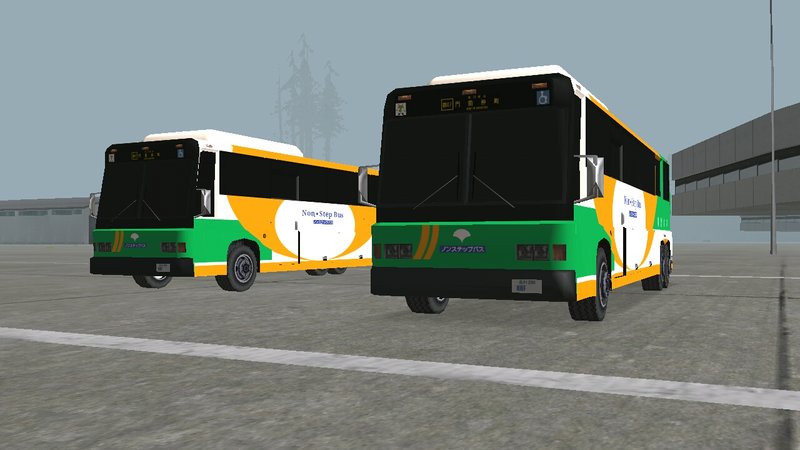
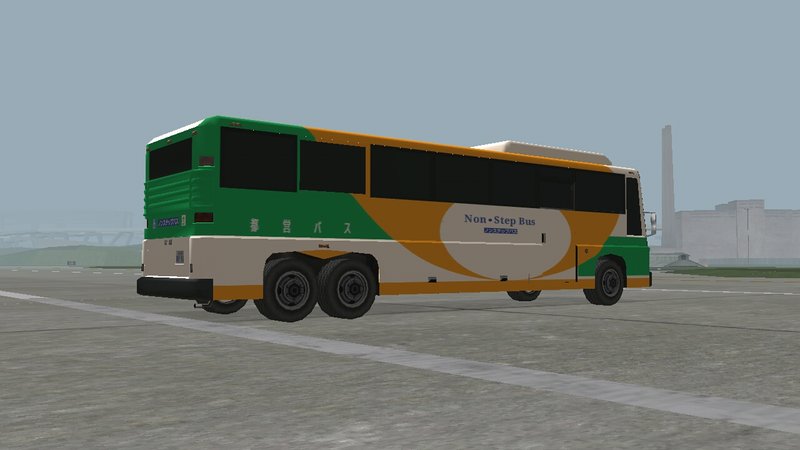
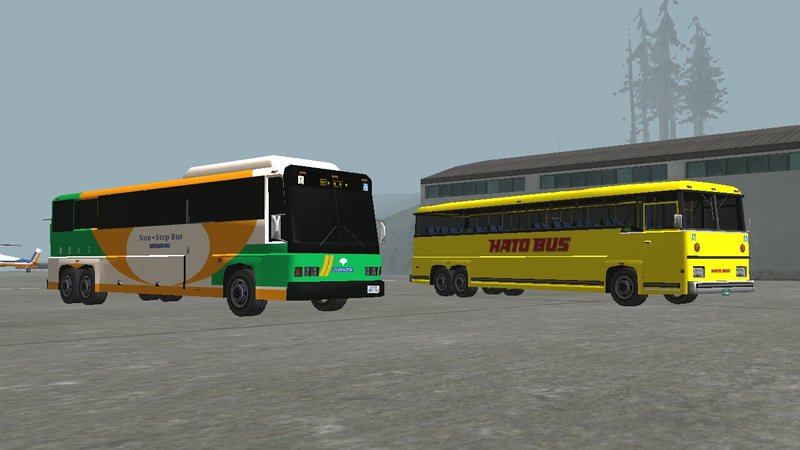
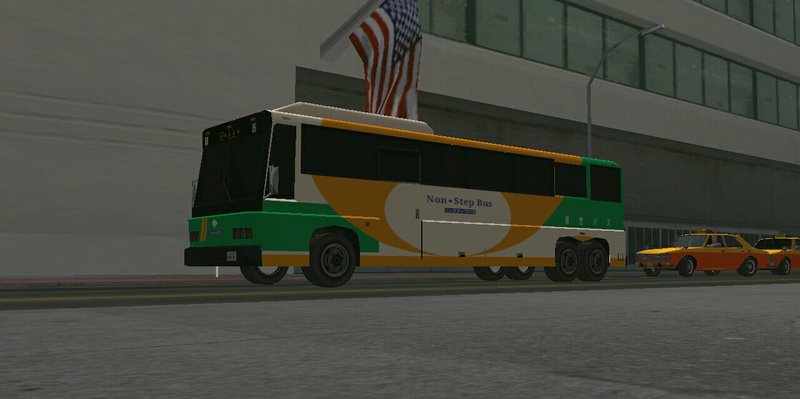
Non-Step Bus (都営バス)
- CSR2garage, Retrkill0 | загрузил Kearl Chester Lago
- 03/13/2020
- 3140 Скачивания
Оценки:
Сначала войди в аккаунт.
Избранное:
Videos
Видео пока не добавлены.Войди в аккаунт, чтобы добавить видео к этому моду.
Описание
Description:
When Tokyo Shiden (Tokyo City Streetcar, the current Tokyo Toden) lines were damaged by the Great Kantō earthquake in 1923, Tokyo City Electricity Bureau started 2 bus routes, originally as an emergency measure. They became the origin of Tokyo City Bus. In 1942, Tokyo City bought over 8 rivaling bus companies, including Tokyo Bus (東京乗合自動車, Tokyo Noriai Jidōsha) of Tokyo Underground Railway (東京地下鉄道), Tokyo Circular Bus (東京環状乗合自動車, Tokyo Kanjō Noriai Jidōsha) of Tokyo Rapid Railway (東京高速鉄道), and others. In 1943, TCEB changed to the Tokyo Metropolitan Bureau of Transportation, as the city changed to the metropolis.
Right after the World War II, there were only 12 routes still in operation. 400 surplus buses from U.S. force were sold to TMBT, helping its recovery. In 1948, its tourist bus division was assigned to Hato Bus (はとバス), which now dominates tourist bus services in Tokyo. Toei Bus had a good financial condition in 1950s, but went into red from 1961. After 1963, many streetcar lines were closed, and new bus routes started their services as substitutes, making the backbone of the current network. In 1975, the bureau succeeded the routes in Ōme from Seibu Bus.
Toei Bus had the highest ridership in 1972 fiscal year, with the average of 1,298,912 daily passengers. With the growth of subway network, the ridership is continuously decreasing. It had the average of 568,863 daily passengers in 2005 fiscal year.
When Tokyo Shiden (Tokyo City Streetcar, the current Tokyo Toden) lines were damaged by the Great Kantō earthquake in 1923, Tokyo City Electricity Bureau started 2 bus routes, originally as an emergency measure. They became the origin of Tokyo City Bus. In 1942, Tokyo City bought over 8 rivaling bus companies, including Tokyo Bus (東京乗合自動車, Tokyo Noriai Jidōsha) of Tokyo Underground Railway (東京地下鉄道), Tokyo Circular Bus (東京環状乗合自動車, Tokyo Kanjō Noriai Jidōsha) of Tokyo Rapid Railway (東京高速鉄道), and others. In 1943, TCEB changed to the Tokyo Metropolitan Bureau of Transportation, as the city changed to the metropolis.
Right after the World War II, there were only 12 routes still in operation. 400 surplus buses from U.S. force were sold to TMBT, helping its recovery. In 1948, its tourist bus division was assigned to Hato Bus (はとバス), which now dominates tourist bus services in Tokyo. Toei Bus had a good financial condition in 1950s, but went into red from 1961. After 1963, many streetcar lines were closed, and new bus routes started their services as substitutes, making the backbone of the current network. In 1975, the bureau succeeded the routes in Ōme from Seibu Bus.
Toei Bus had the highest ridership in 1972 fiscal year, with the average of 1,298,912 daily passengers. With the growth of subway network, the ridership is continuously decreasing. It had the average of 568,863 daily passengers in 2005 fiscal year.
Комментарии
Опубликовано комментариев: 3.





03/13/2020 17:23
Also in the plans to remake the bus, but the ideas are different. Good work, original models deserve quality changes.
Цитировать | Ответить | (0)
Also in the plans to remake the bus, but the ideas are different. Good work, original models deserve quality changes.
Цитировать | Ответить | (0)